
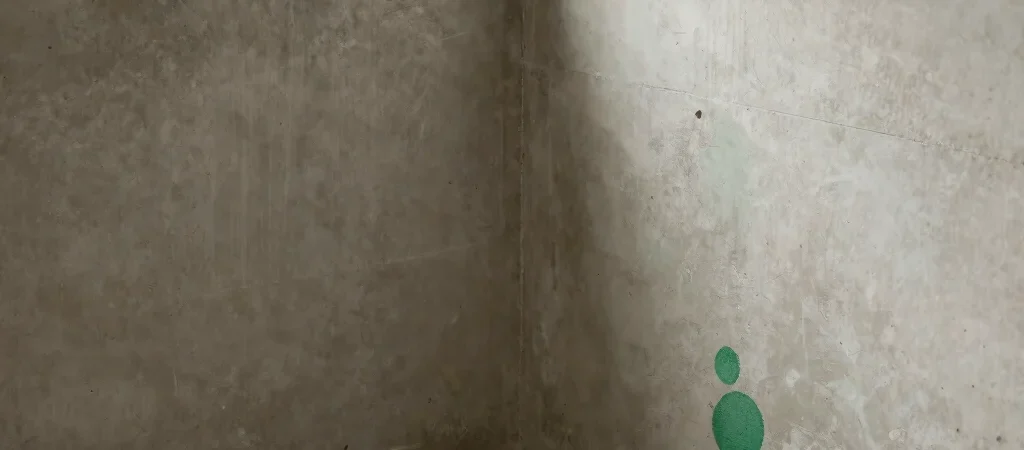
A water mark on a basement wall can be easy to cover and hard to understand. Before painting or sealing anything, note where the mark is, whether it feels damp, and whether it changes after rain or snowmelt. A water stain is a clue, not a diagnosis; its location and timing both matter.
Notice the kind of evidence
A tide line near the floor, a damp patch below a window, and white, powdery deposits on masonry are different observations worth recording. Musty odors can be a reason to look for moisture, but smell alone cannot identify its source. Photograph the area and note recent weather, plumbing use, and whether the condition seems new or recurring.
Look beyond the wall
If it is safe, check whether nearby downspouts discharge close to the house and whether the ground outside appears to hold water. Inside, look for obvious plumbing drips and condensation on cold pipes without moving heavy stored items or reaching into concealed spaces. Keep away from wet electrical equipment, and do not disturb suspected mold or damaged materials.
Choose a cautious next step
If moisture returns, spreads, or appears alongside a musty odor that persists, consult a qualified professional who can assess the specific conditions. Active water entry, a bowed or visibly shifting wall, or wet materials near electrical components call for prompt professional attention rather than a cosmetic repair. Until the source is better understood, keep a simple dated record of what changes and when.